
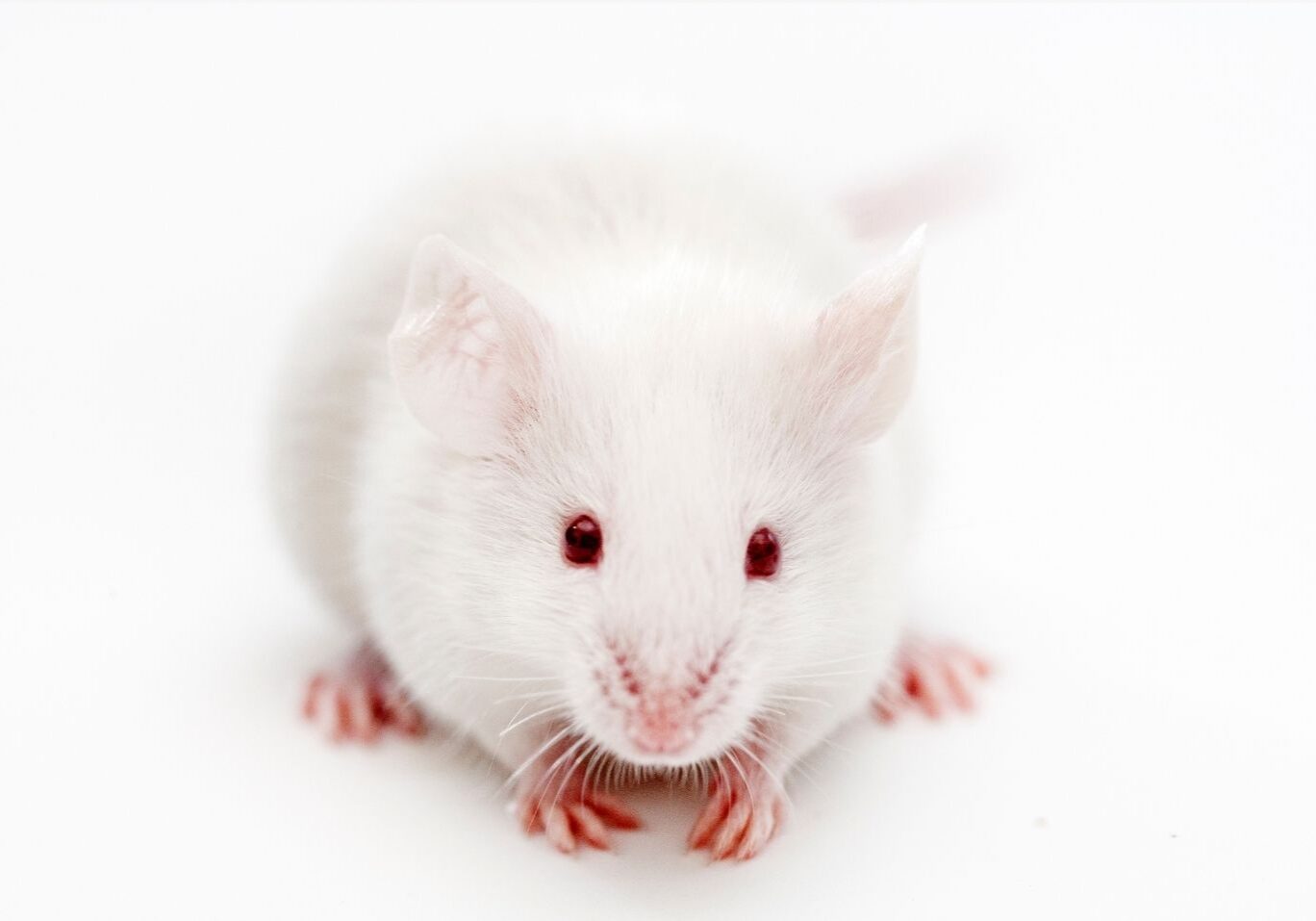
Rodent Models
We are actively cataloging genetic mouse models being used to study KCNQ2-related disorders. Several lines have been highlighted in reviews by Brun et. al., 2022 and Hammer, 2025, but the list is always growing.
If you have (or know of) additional mouse lines that should be included, we’d love to hear from you! Please share your suggestions at research@kcnq2cure.org.
iPSCs Lines
In order to support collaborative research efforts, we are continually compiling a list of KCNQ2 patient-derived iPSC lines. Where available, each entry includes information about the donor, variant, storage location, contact information, and links to relevant publications.
If you have (or know of) additional cell lines that should be included, we’d love to hear from you! Please share your suggestions at research@kcnq2cure.org.
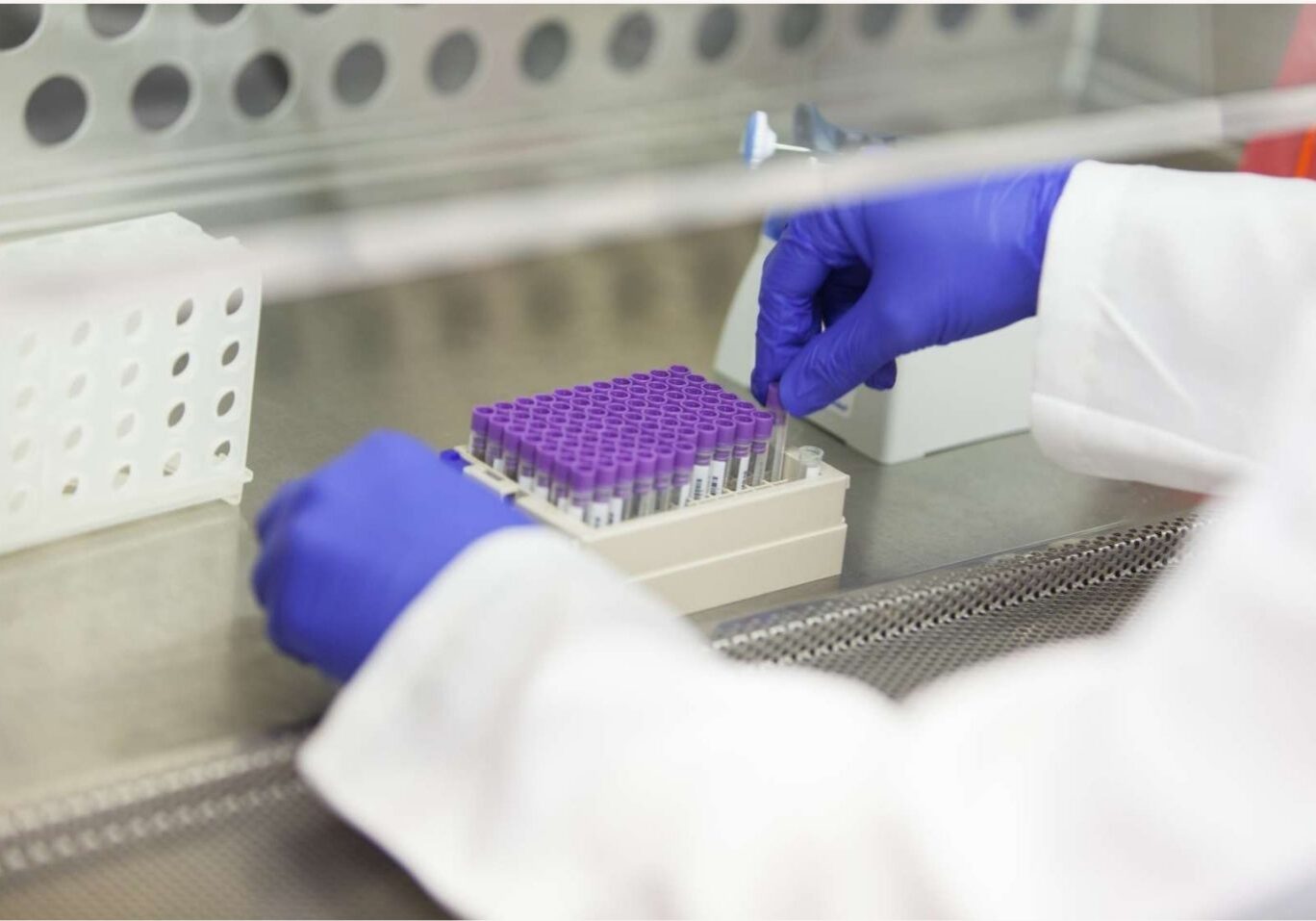
COMBINEDBrain Biorepository
Through our partnership with COMBINEDBrain KCNQ2 Cure Alliance, we have established a biorepository consisting of whole blood, dried blood spot cards, urine, and plasma samples.
Currently, the biorepository includes samples from over 25 individuals with KCNQ2-related disorders and relative controls. These samples represent more than 20 different genetic variants, with participants aged 1.5 to 14 years.
We encourage families to attend the traveling roadshows hosted by COMBINEDBrain, and we expect the number of available samples to continue to grow as more families participate.
Click here for more information on sample requests and associated fees.
Gene Information
KCNQ2 – potassium voltage-gated channel subfamily Q member 2
Also known as: BFNC, EBN1, Kv7.2, ENB1, KQT2
Location: 20q13.33
Amino acid count: 872
Exon count: 17
NCBI Orthologs: ncbi.nlm.nih.gov
Leiden Open Variation Database: databases.lovd.nl
OMIM Entry: omim.org
Simple ClinVar was developed to provide gene- and disease-wise summary statistics based on all available genetic variants from ClinVar.